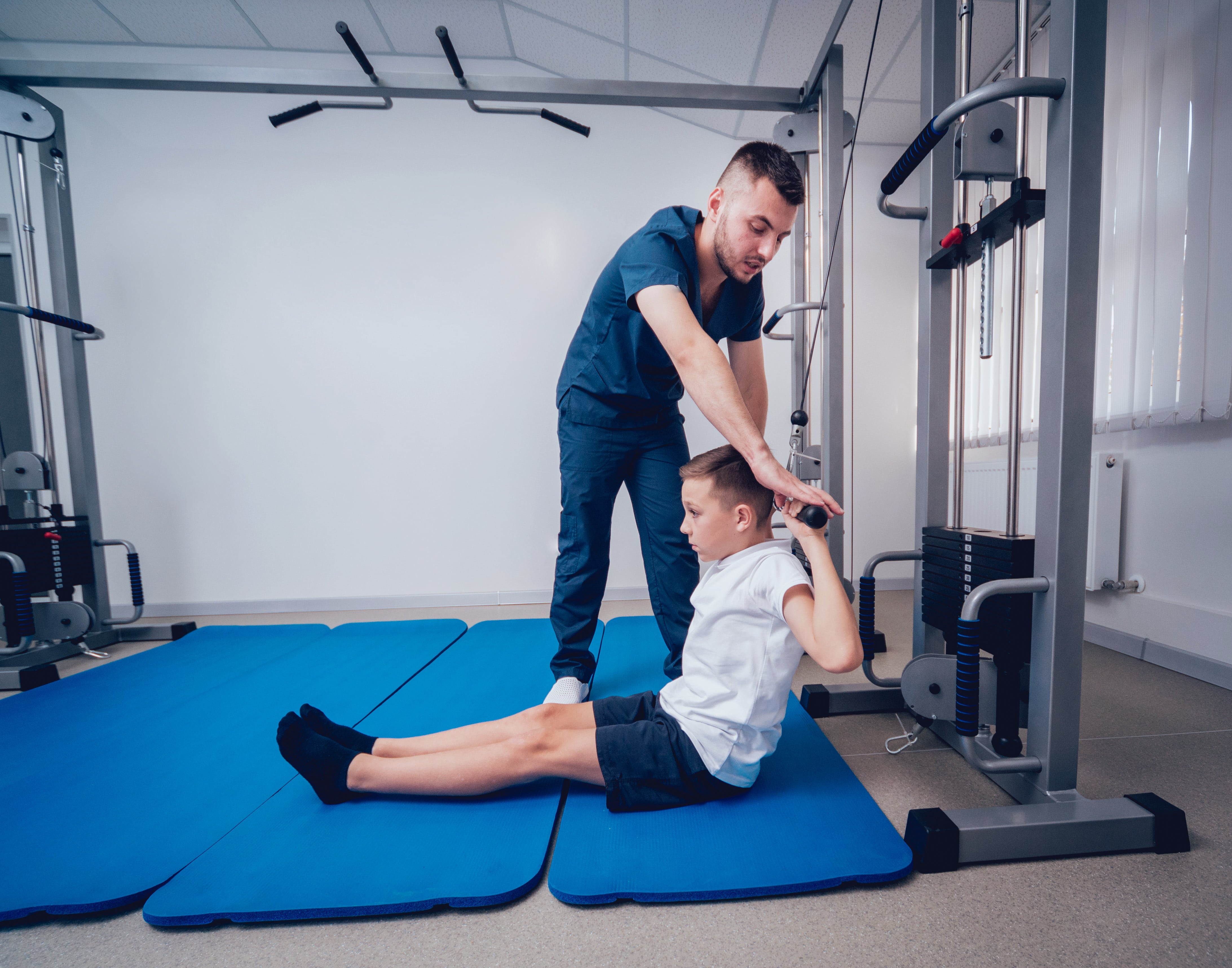
7 Essential Traits of a Skilled Physical Therapist


Selecting the right physical therapist is a important step in your process toward healing, rehabilitation, or enhanced physical health. With so many professionals in the field, it can be challenging to sift through options and identify the best fit for your specific needs. If you're recovering from an injury, managing a chronic condition, or seeking assistance to enhance your athletic performance, locating a qualified and dependable physical therapist is crucial for achieving the best outcomes.
In this article, we will discuss the critical characteristics that distinguish competent physical therapists from the crowd. From strong communication skills to specific training, understanding these attributes can help you navigate the selection process and ensure that you receive the personalized care you deserve. By knowing what to look for, you can be assured in your selection and manage your rehabilitation journey.
Essential Qualities of a Effective Physical Therapist
A competent physical therapist displays a deep understanding of human anatomy and movement mechanics, which is essential for assessing and treating various ailments efficiently. Their clinical knowledge goes beyond theoretical principles; they implement evidence-based practices to formulate customized treatment plans that address personal patient needs. This comprehensive understanding allows them to identify underlying issues and implement appropriate interventions that promote recovery and enhance mobility.
Communication abilities are another essential characteristic of a capable physical therapist. They must be able to communicate complex medical concepts in easy-to-understand terms, ensuring that patients grasp their conditions and treatment options. Actively paying attention to patients' concerns and modifying treatment strategies accordingly builds a trusting relationship. This rapport contributes significantly to patient commitment to therapeutic exercises and treatment recommendations, thus improving overall outcomes.
Additionally, a top-notch physical therapist continually shows professionalism and a devotion to ongoing education. They stay current with advances in treatment techniques and rehabilitation practices through regular education and training. This commitment not only enhances their clinical skills but also demonstrates a commitment to providing the best possible care to their patients. Such qualities ensure that patients receive the utmost standard of treatment and support in their recovery journey.
Avoiding Warning Signs While Choosing a PT
As you are picking a physical therapist, it's crucial to be watchful about possible red flags that may suggest an inappropriate provider. One of the most notable red flags is a shortage of valid certification and qualifications. A qualified physical therapist should be authorized to practice in your state and have appropriate licenses. Failing to check these credentials can lead to placing your recovery to someone without the necessary qualifications, ultimately endanger your well-being and progress.
Another warning sign is a therapist who does not take the time to perform a thoroughgoing first assessment. A qualified therapist will review your medical history, existing state, and specific needs before developing a customized course of treatment. If the PT hurries through the assessment or seems disinterested in your feedback, it may suggest they are not truly invested to your treatment. This could hinder your rehabilitation and result in subpar therapeutic methods.
In addition, be careful of therapists who urge for frequent sessions or costly treatments lacking clear reasoning. pop over here will be transparent about the therapy plan and its necessity, guiding you on ideal visit frequency based on your progress. If a therapist appears more focused on their revenue than your well-being, it may be time to look into other options that focus on your recovery.
Queries to Consider Ahead of Selecting a Physical Therapist
As you considering a physical therapist, it’s important to ask about their credentials and background. Start by asking about their academic background and whether they hold a valid license to work in your state. Additionally, inquire about their focus; for instance, if you have athletic injuries, it is helpful to find someone with expertise in that area. Knowing how long they have been in the field and how many patients they have treated with similar conditions can give you confidence in their skills.
Another key aspect to consider is the therapist's approach to treatment. Ask them how they develop personalized treatment strategies and how they measure progress. It's crucial to know whether they incorporate evidence-based practices and stay informed with the latest advancements in the field. Talking about your individual needs and seeing how they react can help you determine whether their philosophy aligns with your goals for recovery.
In conclusion, explore the practicalities of working with the therapist. Ask about their availability, appointment scheduling flexibility, and what to expect during your initial session. RPM physical therapist 's also wise to ask about the clinic's policies regarding insurance and any potential unexpected fees. A comprehensive understanding of these elements will help you determine if the therapist not only meets your treatment requirements but also aligns with your lifestyle and budget.